Haggada For the PASSOVER seder
הגדה של פסח
Sephardic Haggadah
|
Sanctification |
|
|
|
"Therefore, say to the Israelites: 'I am HaShem, and I will bring you out from under the yoke of the Egyptians.
|
|
Deliverance |
|
|
|
I will free you from being slaves to them, and
|
|
Redemption |
|
|
|
I will redeem you with an outstretched arm and with mighty acts of judgment.
|
|
Completion |
|
|
|
I will take you as my own people, and I will be your God. Then you will know that I am HaShem your God, who brought you out from under the yoke of the Egyptians. Shemot (Exodus) 6:6-7 |
The night of Passover is called "A night of guardings", when the House of Israel is guarded from their enemies. “A night of guardings” also implies that the night of Passover is ‘guarded’, set aside for all time, as the night of the final redemption. In other words, every year, the night of Passover, because it contains the power of the redemption from Egypt, has the ability to bring forth actual redemption from the potential.
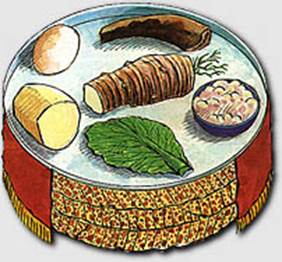 The seder, from the Hebrew word for “order”, is the
festival meal eaten on the first two nights of Passover, the Biblical
celebration of the Exodus from Egypt. The main seder meal does not begin until
the story of the Exodus has been retold, and, more important, re-experienced
by the celebrants. This recreation of the circumstances of bondage,
together with the details of the deliverance, forms the heart and spirit of the
seder and of the Passover festival itself. “In every generation let each man
look on himself as if he came forth personally from Egypt. WE WERE SLAVES
TO PHARAOH IN EGYPT- "Had not HaShem taken us out from Egypt
we would still have remained slaves.”
The seder, from the Hebrew word for “order”, is the
festival meal eaten on the first two nights of Passover, the Biblical
celebration of the Exodus from Egypt. The main seder meal does not begin until
the story of the Exodus has been retold, and, more important, re-experienced
by the celebrants. This recreation of the circumstances of bondage,
together with the details of the deliverance, forms the heart and spirit of the
seder and of the Passover festival itself. “In every generation let each man
look on himself as if he came forth personally from Egypt. WE WERE SLAVES
TO PHARAOH IN EGYPT- "Had not HaShem taken us out from Egypt
we would still have remained slaves.”
Each of us must see the deliverance from bondage as something that happened to US.
Why do we celebrate Passover? Because it is written: "This is a day you are to commemorate; for the generations to come you shall celebrate it as a festival to HaShem, a lasting ordinance. Shemot (Exodus) 12:14
What is the basic purpose of the Seder? The precept of the seder night is the only one in the whole Tanach where you are not given a fixed text to repeat. The Haggada is only there to give you the general direction. The actual mitzva is to talk to discuss to argue. And the more you talk the greater the mitzva. Today unfortunately many people use the Haggada as a text reading it through as if it were a litany, nothing could be further from the spirit of this night.
Tonight we have a contradiction: On the one hand, we recline like free people and dip our food like aristocrats. But, on the other hand, we eat "bread of affliction" and bitter herbs. Are we celebrating freedom here, or are we commemorating the slavery?
The answer is both!
“We were slaves to Pharaoh in Egypt, and HaShem, our God,
took us out from there with a ‘strong hand’...”
Tonight WE experience the transition from slavery to freedom.
|
|
Sanctification |
|
“I am HaShem and I will separate you from Egyptian bondage, |
|
|
|
Deliverance |
|
I will deliver you (through plagues),
|
|
|
|
Redemption |
|
I will redeem you with an outstretched arm,
|
|
|
|
completion |
|
I will take you as My own people and I will be your God.” Exodus 6:6-7 |
|

“That thou mayest remember the day of thy going forth from Egypt, all the days of thy life.”
Devarim (Deuteronomy) 16:3
“‘The days of thy life’ refer to this world only, but ‘all the days of thy life’
include the time of Messiah.” Berachot 12b
As we begin this seder, you will find it profitable to notice that this first part of the seder, before the meal, concerns itself with our redemption from Egypt. The second part of the seder, after the meal, concerns itself with the Messianic redemption, the redemption that is yet future to us. The prophet Micah gave us an important clue to the understanding of the Messianic redemption: "As in the days when you came out of Egypt, I will show them my wonders." Micah 7:15
The seder is not only a commemoration of our redemption from Egypt, but it is also the script for our future redemption, may it be this year!
A Jew by means of celebrating the Pesach in its complete detail is prophesying of things yet to come Let no (foreign) man therefore judge you in matters of food, or in drink, or in respect of the observance of an holyday, or of the new moon, or of the sabbath days, which are prophecies of things yet to come; but the body of Messiah (i.e. Israel).
The Order of the Seder
|
קדש |
Kaddish |
Sanctify the day with the recitation of Kiddush.
|
|
ורחץ |
U’rechatz |
Wash hands before eating karpas. |
|
כרפס |
Karpas |
Eat celery dipped in salt water. |
|
יחץ |
Yachatz |
Break the middle matza. |
|
מגיד |
Maggid |
Tell the story of the Exodus.
|
|
רחצה |
Rachtzah |
Wash hands prior to the meal. |
|
מוציא |
Motzi |
Recite the blessing, Who brings forth, over matza as a food. |
|
מצה |
Matza |
Recite the blessing over matza. |
|
מרור |
Maror |
Blessing for the bitter herbs. |
|
כורך |
Korech |
Eat the sandwich of matza and bitter herbs. |
|
עורך שלחן |
Shulchan Orech |
The table is prepared with the festive meal. |
|
צפון |
Tzafun |
Eat the Afikomen which has been hidden all during the seder. |
|
ברך |
Barech |
Recite the Blessings after the meal.
|
|
הלל |
Hallel |
Recite the Hallel Psalms of praise.
|
|
נרצה |
Nirtzah |
Pray that HaShem would accept our observance and speedily send Mashiach (Messiah). |
 We drink the first cup.
 We drink the second cup.
 We drink the third cup.
Kaddish קַדֵשׁ Sanctification
Begin right after synagogue service after nightfall (about havdallah time). Ones wine should be poured by someone else to symbolize the majesty of the evening.
|
The first cup is filled..................... |
|
.........the Cup of Sanctification |

As God covenanted: “I will separate you from Egypt”
On Friday night, add the following
(And there was evening and there was morning) The sixth day. Thus the heavens and the earth were finished, and all their array. On the seventh day God completed His work which He had done, and He abstained on the seventh day from all His work which He had done. God blessed the seventh day and hallowed it, because on it He abstained from all His work which God created to make.
These are the appointed festivals of HaShem, the holy convocations, which you shall designate in their appropriate time. By your leave, my masters and teachers סַבְרִי מָרָנָן:
Blessed are You, HaShem our God, King of the Universe, who creates the fruit of the vine.
בָּרוּךְ אַתָּה יהוה אֱלֹהֵינוּ מֶלֶךְ הָעוֹלָם בּוֹרֵא פְּרִי הַגָפֶן.
Blessed are You, HaShem our God, King of the universe, who has chosen us from all peoples and lifted us up above all tongues and made us holy through His commandments. And You have given us, HaShem, our God, in love, (Sabbaths for rest and) appointed times for rejoicing, feasts and festive seasons for joy; (this Sabbath and) this feast of the matzot, the season of our freedom, (in love,) a holy convocation, as a memorial of the departure from Egypt. For You have chosen us and sanctified us above all peoples, and You have given us as a heritage (the Sabbath and) Your Holy festivals (in love and favor), in joy and gladness. Blessed are You, HaShem, who sanctifies (the Sabbath and) Israel and the festivals.
On Saturday night, add the following
Blessed are You, HaShem, our God, King of the universe, Who creates the illumination of the fire. (respond: Amen)
Blessed are You, HaShem, our God, King of the universe, Who distinguishes between sacred and secular, between light and darkness, between Israel and the nations, between the seventh day and the six days of activity. You have distinguished between the holiness of the Sabbath and the holiness of a festival, and have sanctified the seventh day above the six days of activity. You distinguished and sanctified Your nation, Israel, with Your holiness. Blessed are You, HaShem, who distinguishes between holiness and holiness. (respond: Amen)
Blessed are You, HaShem, our God, King of the universe, who has kept us alive and sustained us, and brought us to this season. (respond: Amen)
בָּרוּךְ אַתָּה יהוה אֱלֹהֵינוּ מֶלֶךְ הָעוֹלָם, שֶׁהֶחֱיָנוּ וְקִיְּמָנוּ וְהִגִּיעָנוּ לַזְּמַן הַזֶה.
Recline to the left while drinking the entire cup
U’rechatz וּרְחַץ Wash Hands
A laver is brought for all to wash their hands. There should be no talking till after we eat the celery.
(No blessing – as yet another sign of freedom and dignity)
Karpas כַּרְפַּס Eat Celery
Recite the blessing with the intention that it applies to the maror eaten during the meal. A volume of less than an olive should be eaten.
All take a piece of celery (applies to maror too), and dip it twice in salt water, saying:
Blessed are You, HaShem our God, king of the universe, who creates the fruit of the earth.
בָּרוּךְ אַתָּה יהוה אֱלֹהֵינוּ מֶלֶךְ הָעוֹלָם, בּוֹרֵא פְּרִי הָאֲדָמָה.
(respond: Amen) Eat the piece of celery
Yachatz יחץ a bond of sharing
Three pieces of matza (unleavened bread) are brought, having been pierced and striped with special tools during preparation. The middle matza is broken, and a portion, which is called the afikomen (dessert), is hidden in a folded linen cloth.
The top matza represents thought. The middle matza represents speech. The bottom matza represents actions. We break the middle matza and place it between the other two to hint that speech must be linked to thought and action. The other half, symbolic of the Word of Torah, is hidden away. This teaches that the wisdom of Torah is attained by the modest.

The middle matza is broken (like a dalet and a vav) before reciting the Haggadah, because the recital is to be over a matza suitable for the obligation of Haggadah, namely lechem oni (bread of poverty) - which is a broken piece. Lechem oni means "bread of poverty", but is also interpreted as "lechem she'onim alav” - the bread over which we answer (discuss; recite) many things. Combining both meanings, then, the Haggadah is to be said over matza, and in particular a matza, the afikomen, which is noticeably "bread of poverty", i.e., a broken piece of matza. (Pesachim 115b)
The head of the household at the table should now break the middle matza in half.
The larger piece is set aside, because afikomen is a significant mitzva: [it is eaten as the very last thing at the Seder] representing for us the Pesach-offering. To help us begin to regard ourselves as having been delivered from bondage we are going to emulate a Libyan custom. In Libya the head of the family would wrap half of the afikomen, the larger of the pieces just broken, in cloth and place it briefly upon his shoulder. The smaller part is put back between the two whole matzot.
The broken AFIKOMEN (the larger of the two pieces just broken) is held up and the leader says:
This is the bread of affliction that our fathers ate in the land of Egypt. Whoever is hungry, let him come and eat! Whoever is needy, let him come and celebrate Passover! Now, we are here; next year may we be in the land of Israel! Now we are slaves; next year may we be free men!
Blessed are the ones who come – ברוכים הבאים
Maggid מגיד Recite the Haggadah
|
The second cup is filled................. |
|
............the Cup of Deliverance |

As God covenanted: “I will deliver you.”
With the matza lying before us, we are ready to perform the main mitzva of the evening: Telling the story of the Exodus.
The youngest child present asks:
“Why is this night different than all other nights?”
מַה נִּשְּׁתַּנָה הַלַּיְלָה הַזֶּה מִכָּל הַלֵּילוֹת?
Four answers are given:
1. On all other nights we do not dip herbs even once, while on this night we dip them twice.
שֶׁבְּכָל הַלֵּילוֹת אֵין אֶנוּ מַטְבִּילִין אֲפִילוּ פַּעַם אֶחָת, - הַלַּיְלָה הַזֶּה שְׁתֵּי פְעָמִים.
2. On all other nights we eat leavened bread or matza, while on this night we eat only matza.
שֶׁבְּכָל הַלֵּילוֹת אָנוּ אוֹכְלִין חָמֵץ וּמַצָּה, הַלַּיְלָה הַזֶּה - כּוּלוֹ מַצָּה.
3. On all other nights we eat vegetables and herbs of all kinds, while on this night we must eat bitter herbs.
שֶׁבְּכָל הַלֵּילוֹת אָנוּ אוֹכְלִין שְׁאָר יְרָקוֹת, - הַלַּיְלָה הַזֶּה מָרוֹר.
4. On all other nights we eat and we drink in an upright or reclining position, while on this night we all recline.
שֶׁבְּכָל הַלֵּילוֹת אָנוּ אוֹכְלִין בֵּין יוֹשְׁבִין וּבֵין מְסֻבִּין, - הַלַּיְלָה הַזֶּה כֻּלָנו מְסֻבִּין.
Shemot (Exodus) 13:8 And you shall relate to your child on that day, saying: "It is because of this that HaShem acted for me when I came forth out of Egypt."
Ballad of the Four Sons
(Sung to the tune of “Clementine”)
|
Said the father to his children, "At the Seder you will dine, You will eat your fill of Matza, You will drink four cups of wine."
|
Then did sneer the son so wicked, "What does all this mean to YOU?" And the father's voice was bitter As his grief and anger grew. |
|
Now this father had no daughters, But his sons, they numbered four. One was wise and one was wicked. One was simple and a bore.
|
"If yourself you don't consider As a son of Is-ra-el, Then for you this has no meaning; You could be a slave as well."
|
|
But the fourth was sweet and winsome. He was young and he was small. While his brothers asked the questions He could scarcely speak at all.
|
Then the simple son said softly, "What is this?" And quietly, The good father told his offspring, "We were freed from slavery."
|
|
Said the wise son to his father, "Will you please explain the laws Of the customs of the Seder? Will you please explain the cause?"
|
But the youngest son was silent, For he could not ask at all, And his eyes were bright with wonder As he sat and heard it all.
|
|
And the father proudly answered, "Cause our forefathers ate in speed, Ate the Paschal lamb ere midnight And from slavery they were freed." |
So dear children, heed the lesson, And remember evermore, What the father told his children, Told his sons that numbered four. |
Shemot (Exodus) 13:8 And you shall relate to your child...
We were once slaves of Pharaoh in Egypt, but HaShem our God brought us out from there with a strong hand and an outstretched arm. If the Holy One, blessed be He, had not brought our fathers out of Egypt, then we, our children and our children's children would have remained enslaved to Pharaoh in Egypt. Therefore, even if we were all wise, all men of understanding and experience, all fully versed in the Torah, we would still be obliged to tell about the Exodus from Egypt; and whoever tells about it at length is praiseworthy.
It once happened that Rabbi Eliezer, Rabbi Yoshua, Rabbi Elazar, son of Azariah, Rabbi Akiva and Rabbi Tarphon, were celebrating the Seder in Bnei Berak. They were discussing the Exodus from Egypt the entire night, until their students came and said to them: Our teachers, the time has arrived for reading the morning Shema.
Rabbi Elazar, son of Azariah, said: I am like a man of seventy, yet I was never able to convince my colleagues that one is obliged to mention the Exodus at night, until Ben Zoma explained it:
It is stated in the Torah: "That you may remember the day when you came out of the land of Egypt, all the days of your life." "The days of your life" merely refers to the days; "all the days of your life," on the other hand, includes the nights too. The Sages say: "The days of your life" indicates this life, but "all the days of your life" includes the times of Mashiach too.
Praised be the Ever-Present, praised be He! Praised be He who has given the Torah to His people Israel, praised be He! The Torah speaks of four sons: a wise son, a wicked one, a simple one, and one who does not know how to ask.
What does the wise son say? "What are the testimonies, statutes, and laws that HaShem our God has commanded you?"
Do then instruct him in the laws of Pesach, that one may not eat anything after eating the Pesach sacrifice!
The wicked son - what does he say? "What does this service mean to you?" "To you" (he says) - but not to him! Therefore, because he has excluded himself from the community, he has denied the foundation of our faith; consequently you must blunt his teeth and reply to him: "It is because of this that HaShem did for me when I went out from Egypt, from the house of bondage."
The simple son – what does he say? “What does this mean?” To him you shall say: “With a strong hand did HaShem bring us out from Egypt, from the house of bondage.”
As for the son who does not know what to ask, you must begin to speak to him, as it is stated: "You shall tell your son on that day saying: 'Because of this HaShem did for me when I went out from Egypt'." Shemot (Exodus) 13:8 ... on that day,
One might think that the obligation to talk about the Exodus from Egypt applies from the first day of the month of Nisan; therefore the Torah says: "on that day." The expression "that day" might be understood to refer to daytime; therefore the Torah adds that the father should say: "because of this"; that expression can only be used at a time when Matza and Maror actually lie before you.
In the beginning our fathers were worshippers of idols, but now the Ever-Present has brought us to His service, as it is said: "And Joshua spoke to the whole people: Thus has HaShem, God of Israel spoken: 'Your fathers dwelt in olden times beyond the River (Euphrates), Terach, the father of Abraham and the father of Nachor, and they served other gods. And I took your father Abraham from beyond the River and led him throughout all the land of Canaan and I multiplied his seed and gave him Isaac. And I gave to Isaac, Jacob and Esau; and I gave to Esau Mount Seir, to possess it, and Jacob and his sons went down to Egypt'."
Blessed be He, who keeps His assurance to Israel, blessed be He! For the Holy One, blessed be He, planned the end of their bondage, in order to do as He had said to our father Abraham at the covenant between the Portions, as it states: "And He said to Abram: 'You should know for certain that your descendants shall be strangers in a land that is not theirs, and they shall serve them, and they shall treat them harshly, for four hundred years; but I will also judge the nation that they shall serve, and afterwards they shall come out with great wealth'."
The Matzot are covered, and the cups are lifted.
And it is this that has stood by our fathers and us; for not only one has risen up against us to destroy us, but in all ages they rise up against us to destroy us; and the Holy One, blessed be He, rescues us from their hands.
Go and learn what Laban the Aramean planned to do to our father Jacob; for Pharaoh decreed only that the male (children) should be put to death, but Laban had planned to uproot all, as it is said: "The Aramean sought to destroy my father, and the latter went down to Egypt and sojourned there, with a family few in number; and he became there a nation, great, mighty, and numerous."
"And he went down to Egypt" - compelled by Divine decree.
"And he sojourned there" - Which teaches that our father Jacob did not go to Egypt to settle there permanently, but merely to stay there for a time, as it says:
"And they (the sons of Jacob) said to Pharaoh: 'We have come to sojourn in this land for there is no pasture for the flocks that belong to your servants, for the famine is severe in the land of Canaan; and now please let your servants dwell in the land of Goshen'."
"With few in number" - as it is said: "Your fathers went down to Egypt with seventy persons; and now HaShem, your God, has made you as numerous as the stars of heaven."
"And he became there a nation" - which teaches that the Jews were distinctive there.
"Great, mighty" - as it says: "And the children of Israel were fruitful and increased abundantly and multiplied and became very, very mighty; and the land was filled with them."
"And numerous" - as it says: "I made you thrive like the plants of the field, and you grew big and tall, and you came to be of great charm, beautiful of form, and your hair was grown long; but you were naked and bare. And I passed over you and I saw you downtrodden in your blood and I said to you: 'through your blood you shall live'; and I said to you: 'through your blood you shall live'."
"The Egyptians ill-treated us, oppressed us and laid heavy labors upon us"
"The Egyptians ill-treated us" - as it is said: "Come let us deal cunningly with them, lest they multiply, and, if we should happen to have war, they will join our enemies, and fight against us and go out of the country."
"They oppressed us" - as it is said: "They placed taskmasters over them, to oppress them with their impositions, and they built store-cities for Pharaoh, Pisom and Ramses."
"They laid heavy labors upon us" - as it is said: "The Egyptians made the children of Israel slave rigorously."
"We cried to HaShem, the God of our fathers, and HaShem heard our voice. He saw our ill-treatment, our burden and our oppression."
"We cried to HaShem, the God of our fathers" - as it is said: "It came to pass during that long period that the King of Egypt died, and the children of Israel groaned because of the bondage, and they cried, and their prayer rose up to God because of the servitude."
"HaShem heard our voice" - as it is said: "God heard their moaning and God recalled His covenant with Abraham, Isaac, and Jacob."
"He saw our ill-treatment" - this refers to the breaking up of their family life, as it is said: "God looked upon the children of Israel and God took note."
"Our burdens" - this refers to the children, as it is said: "Every newborn son shall you cast into the river and every daughter you shall let live."
"Our oppression" - this refers to the pressure that is expressed in the words: "I have also seen the oppression with which the Egyptians oppressed them."
"HaShem brought us out of Egypt with a mighty hand, with an outstretched arm, with great fearfulness, with signs and with wonders/"
"HaShem brought us out of Egypt" - not through an angel, not through a seraph, and not through a messenger, but the Holy One, blessed be He, He alone, in His glory as it is said: "I will pass through the land of Egypt in that night, and I will slay every first-born in the land of Egypt, from man to beast, and I will execute judgment against all the gods of Egypt, I HaShem."
"I will pass through the land of Egypt", I, and no angel; "I will slay every first-born in the land of Egypt," I, and no seraph; "and I will execute judgment against all the gods of Egypt," I, and no messenger; "I, HaShem," it is I and no other.
"With a mighty hand" - this refers to the pestilence, as it is said: "Behold, the hand of HaShem will be upon your cattle in the field, upon the horses, asses, and camels, the oxen and the sheep, a very severe pestilence."
"With an outstretched arm" - that is the sword, as it is said: "His drawn sword in his hand, stretched out over Jerusalem."
"With great fearfulness" - this refers to the revelation of the Divine Presence, as it is said: "Or has God ever sought to come and take unto Himself one nation from the midst of another nation, with trials, signs, and wonders, with war and a mighty hand, and an outstretched arm and awesome manifestations, as HaShem your God did for you in Egypt before your eyes?"
"With signs" - this refers to the staff, as it is said: "Take this staff in your hand, with which you shall do the signs."
"With wonders" - that is the blood, as it is said: "I will show wonders in heaven and on earth,
Blood and fire and pillars of smoke."
Another explanation: "With a mighty hand" indicates two plagues, "with an outstretched arm", another two; "with great fearfulness", another two; "with signs", another two; "and with wonders", another two - these are the ten plagues which the Holy One, blessed be He, brought upon the Egyptians in Egypt, and they are as follows:
Ten drops of wine are removed from each cup, by each person, and placed on his plate, using a spoon, naming in unison one of the ten plagues with each drop.
 There was (Blood) Dam דָּם in the gutters
and (Frogs) Tzfardea צְפֵרְדֵּעַ in the butter,
and (Lice) Kinim כִּנִים on their heads And
(Beasts) Arov עָרוֹב in their beds,
(Disease) Deber דֶּבֶר in the cattle
and big (Boils) Sheken שְׁחִין in the saddle.
(Hail) Barad בָּרד started showering
And (Locusts) Arbah אַרְבֶּה devouring.
It turned (Dark) Choshek חשֶׁךְ as a pit.
Then the (First-born) Makat Bechorot מַכַּת בְּכוֹרוֹת were hit.
The majority of these terrible plagues will again come upon the earth during the great tribulation.
Revelation 7 & 8
Rabbi Yehuda referred to them by acronyms:
|
DeTzaCh |
דְּצַ"ךְ |
(blood, frogs, lice); |
|
AdaSh |
עַדַ"שׁ |
(beasts, pestilence, boils); |
|
BeAChaB |
בְּאַחַ"ב |
(hail, locust, darkness, first-born). |
Rabbi Yose the Galilean said: How do you know that the Egyptians were stricken by ten plagues in Egypt, and then were struck by fifty plagues at the sea? In Egypt it says of them, "The magicians said to Pharaoh `This is the finger of God.' At the sea it says, "Israel saw the great hand that HaShem laid against Egypt; and the people feared HaShem, and they believed in HaShem and in His servant Moses." Now, how often were they smitten by `the finger'? Ten plagues! Thus you must conclude that in Egypt they were smitten by ten plagues, at the sea they were smitten by fifty plagues!
Rabbi Eliezer said: How do we know that each individual plague which the Holy One, blessed be He, brought upon the Egyptians in Egypt consisted of four plagues? For it is said: "He sent against them His fierce anger, fury, and indignation, and trouble, a discharge of messengers of evil": `Fury,' is one; `Indignation,' makes two; `Trouble,' makes three; `Discharge of messengers of evil,' makes four. Thus you must now say that in Egypt they were struck by forty plagues, and at the sea they were stricken by two hundred plagues.
Rabbi Akiva said: How do we know that each individual plague which the Holy One, blessed be He, brought upon the Egyptians in Egypt consisted of five plagues? For it is said: "He sent against them his fierce anger, fury, and indignation, and trouble, a discharge of messengers of evil": "His fierce anger," is one; "fury," makes two; "indignation," makes three; "trouble," makes four; "discharge of messengers of evil," makes five. Thus you must now say that in Egypt they were struck by fifty plagues, and at the sea they were stricken by two hundred and fifty plagues.
Le-lu ho-tzi ho-tzi-a-nu, ho-tzi-a-nu mi-mitz-ray-im,
ho-tzi-a-nu mi-mitz-ray-im, da-ye-nu
Da-da-ye-nu, da-da-ye-nu, da-da-ye-nu, da-ye-nu da-ye-nu
Da-da-ye-nu, da-da-ye-nu, da-da-ye-nu, da-ye-nu da-ye-nu
Le-lu na-tan, na-tan la-nu, na-tan la-nu et ha-Shabbat
na-tan la-nu et ha-Shabbat, da-ye-nu
Da-da-ye-nu, da-da-ye-nu, da-da-ye-nu, da-ye-nu da-ye-nu
Da-da-ye-nu, da-da-ye-nu, da-da-ye-nu, da-ye-nu da-ye-nu
Le-lu na-tan, na-tan la-nu, na-tan la-nu et ha-Torah
na-tan la-nu et ha-Torah, da-ye-nu
Da-da-ye-nu, da-da-ye-nu, da-da-ye-nu, da-ye-nu da-ye-nu
Da-da-ye-nu, da-da-ye-nu, da-da-ye-nu, da-ye-nu da-ye-nu
ֹ
How many levels of favors has the Omnipresent One bestowed upon us: 1. If He had brought us out from Egypt, and had not carried out judgments against them, it would have sufficed us!
2. If He had carried out judgments against them, and not against their idols, it would have sufficed us!
3. If He had destroyed their idols, and had not smitten their first-born, it would have sufficed us!
4. If He had smitten their first-born, and had not given us their wealth, it would have sufficed us!
5. If He had given us their wealth, and had not split the sea for us, it would have sufficed us!
6. If He had split the sea for us, and had not taken us through it on dry land, it would have sufficed us!
7. If He had taken us through the sea on dry land, and had not drowned our oppressors in it, it would have sufficed us!
8. If He had drowned our oppressors in it, and had not supplied our needs in the desert for forty years, it would have sufficed us!
9. If He had supplied our needs in the desert for forty years, and had not fed us the manna, it would have sufficed us!
10. If He had fed us the manna, and had not given us the Shabbat, it would have sufficed us!
11. If He had given us the Shabbat, and had not brought us before Mount Sinai, it would have sufficed us!
12. If He had brought us before Mount Sinai, and had not given us the Torah, it would have sufficed us!
13. If He had given us the Torah, and had not brought us into the land of Israel, it would have sufficed us!
14. If He had brought us into the land of Israel, and had not (15.) built for us the Bet Habechirah (Chosen House; the Bet HaMikdash), it would have sufficed us!
Thus how much more so should we be grateful to the Omnipresent One for the doubled and redoubled goodness that He has bestowed upon us; for He has brought us out of Egypt, and carried out judgments against them, and against their idols, and smote their first-born, and gave us their wealth, and split the sea for us, and took us through it on dry land, and drowned our oppressors in it, and supplied our needs in the desert for forty years, and fed us the manna, and gave us the Shabbat, and brought us before Mount Sinai, and gave us the Torah, and brought us into the land of Israel and built for us the Bet Habechirah to atone for all our sins.
Rabban Gamliel used to say: Whoever has not explained the following three things on Passover has not fulfilled his duty; namely,
Passover The Passover offering;
Matza The unleavened bread;
Maror The bitter herbs
Since the destruction of the Temple, a lamb shank bone (zeroa) is displayed to symbolize the sacrificed lamb. Just look at the lamb shank
Pesach - Why did our fathers eat a Passover offering during the period when the Temple stood? Because the Holy One, Blessed be He, passed over the houses of our fathers in Egypt, as it is written: You shall say: “It is a Passover offering for HaShem, Who passed over the houses of the Children of Israel in Egypt when He struck the Egyptians and spared our houses; and the people bowed down and prostrated themselves.” Exodus 12:27
Matza is raised to symbolize the haste in fleeing Egypt. The fled so fast that the bread did not have time to rise.
Raise the middle matza and say:
Matza - Why do we eat this unleavened bread? Because the dough of our fathers did not have time to become leavened before the King of kings, the Holy One, Blessed be He, revealed Himself to them and redeemed them, as it is written: They baked the dough which they had brought out of Egypt into unleavened bread, for it had not fermented, because they were driven out of Egypt and could not delay, nor had they prepared any provisions for the way. Exodus 12:39
A bitter herb, escarole, is raised to symbolize bitter slavery in Egypt.
Maror - Why do we eat these bitter herbs? Because the Egyptians embittered the lives of our fathers in Egypt, as it says: They embittered their lives with hard labor, with mortar and bricks, and with all manner of labor in the field: whatever service they made them perform was with hard labor. Exodus 1:14
In every generation it is one’s duty to regard himself as though he personally had gone out of Egypt, as it is written: You shall tell your son on that day: “It was because of this that HaShem did for ‘me’ when I went out of Egypt.” It was not only our fathers whom the Holy One redeemed from slavery; we, too, were redeemed with them, as it is written: He brought “US” out from there so that He might take us to the land which he had promised to our fathers. Deuteronomy 6:23
The matzot are covered and the second cup is lifted and held until drunk.
Therefore it is our duty to thank, praise, pay tribute, glorify, exalt, honor, bless, extol, and acclaim Him Who performed all these miracles for our fathers and for us. He brought us forth from slavery to freedom, from grief to joy, from mourning to festivity, from darkness to great light, and from servitude to redemption. Let us, therefore, recite a new song before Him! Halleluyah!
Halleluyah! Praise, you servants of HaShem, praise the name of HaShem. Blessed be the name of HaShem from now and forever. From the rising of the sun to its setting, HaShem’s name is praised. Raised above all nations is HaShem, above the heavens is His glory. Who is like HaShem, our God, Who is enthroned on high, yet deigns to look upon the heaven and the earth? He raises the destitute from the dust, from the trash heaps He lifts the needy, to seat them with nobles, with nobles of His people. He transforms the barren wife into glad mother of children. Halleluyah! Psalm 113
When Israel went forth from Egypt, Jacob’s household from a people of alien tongue, Judah became His sanctuary, Israel His dominion. The Sea saw and fled; the Jordan turned backward. The mountains skipped like rams, and the hills like young lambs. What ails you, O Sea, that you flee? O Jordan, that you turn backwards? O mountains, that you skip like rams? O hills, like young lambs? Before the Master, tremble, O earth, before the presence of the God of Jacob, Who turns the rock into a pond of water, the flint into a flowing fountain. Psalm 114
A blessing is given to God over the wine:
|
|

Blessed are You, HaShem, our God, King of the Universe, Who redeemed us and redeemed our ancestors from Egypt and enabled us to reach this night that we may eat matza and maror. So, HaShem, our God and God of our fathers, bring us also to future festivals and holidays in peace, laddened in the rebuilding of Your city, and joyful at Your service. There we shall eat of the offerings and Passover sacrifices whose blood will gain the sides of Your altar for gracious acceptance. We shall then sing a new song of praise to You for our redemption and for the liberation of our souls. Blessed are You, HaShem, Who has redeemed Israel.
Recline to the left then all drink the second cup:
Rachtzah רַחַץ Wash the Hands
The laver is passed for all to use, saying:
Blessed are You, HaShem our God, King of the Universe, who has sanctified us by Your Word, and instructed us concerning the washing of the hands
בָּרוּךְ אַתָּה יהוה אֱלֹהֵינוּ מֶלֶךְ הָעוֹלָם, אֲשֶׁר קִדְשָׁנוּ בְּמִצְוֹתָיו וְצִוָּנוּ עַל נְטִילַת יָדַיִם.
Motzi מוֹצִיא Blessing for the Bread
The following two blessings are recited over matza as food, and the second for the special mitzva of eating matza on the night of Passover. The latter blessing is to be made with the intention that it also apply to the “sandwich” and the afikomen. The head of the household raises the matzot on the seder plate and recites the following blessing:
Blessed are You, HaShem our God, King of the Universe, who brings forth bread from the earth.
בָּרוּךְ אַתָּה יהוה אֱלֹהֵינוּ מֶלֶךְ הָעוֹלָם הַמּוֹצִיא לֶחֶם מִן הָאָרֶץ.
Matza מַצָּה Special Matza Blessing
Put down the bottom matza, and continue to hold up the top matza and the broken middle piece, and say the following blessing:
Blessed are You, HaShem our God, King of the Universe, who has sanctified us by Your Word, and instructed us to eat unleavened bread.
בָּרוּךְ אַתָּה יהוה אֱלֹהֵינוּ מֶלֶךְ הָעוֹלָם, אֲשֶׁר קִדְּשָנוּ בְּמִצְוֹתָיו וְצִוָּנוּ עַל אֲכִילַת מַצָּה.
Each participant should recline to the left and eat a big piece of matza (2 ounces) from each of the top two matzot, dipped in salt.
Maror מָרוֹר Bitter Herbs (Escarole)
The leader of the Seder takes the bitter herbs (escarole) and dips them in the charoset, and says the blessing:
Blessed are You, HaShem our God, King of the Universe, who has sanctified us by Your Word, and instructed us to eat bitter herbs.
בָּרוּךְ אַתָּה יהוה אֱלֹהֵינוּ מֶלֶךְ הָעוֹלָם, אֲשֶׁר קִדְּשָנוּ בְּמִצְוֹתָיו וְצִוָּנוּ עַל אֲכִילַת מָרוֹר.
Eat the maror and charoset.
Korech כּוֹרֵךְ Eating Matza and Maror
And the leader of the Seder takes a piece of the third (bottom) Matza the size of an olive, and from the bitter herbs the size of an olive, and he dips them in the charoset making a sandwich. Hold up the sandwich and say:
In remembrance of the Temple, like Hillel: he would combine (meat of the Passover offering) matza and maror in a sandwich and eat them together, to fulfill what is written in the Torah: They shall eat it with matzot and bitter herbs. Numbers 9:11
All eat Hillel sandwich, a piece of matza dipped in bitter herbs which symbolize laying bricks.
Remove the Seder plate, and proceed with the Passover meal.
All eat and drink, leaning on their side
Shulchan Orech שֻׁלְחָן עוֹרֵךְ Eat the Feast
The meal should be eaten in a combination of joy and solemnity, for the meal, too, is a part of the seder service. While it is desirable that the laws and events of Passover be part of the meal, extraneous conversation should be avoided. It should be remembered that the afikomen must be eaten while there is still some appetite for it. In fact, if one is so sated that he must literally force himself to eat it, he is not credited with the performance of the mitzva of afikomen. Therefore, it is unwise to eat more than a moderate amount during the meal. One who leans throughout the meal is praiseworthy.
The Passover Meal is Served
“The FEAST” is begun: “It is HaShem’s Passover” (Numbers 28:17, Exodus 12:11)
|
|

Before eating the egg, the following is recited:
In remembrance of the Chagiga offering
Tzafun צָפוּן Eat the Afikomen
The broken middle matza is found and removed from its linen cover.
Eat the AFIKOMEN (half egg volume).
Nothing more is to be eaten tonight.
Barech בָּרֵךְ Blessing after the Meal
|
The third cup is filled................... |
|
.........the Cup of Redemption. |

As God covenanted: “I will redeem you with an outstretched arm”
I shall bless HaShem at all times, His praise shall always be in my mouth. The sum of the matter, when all has been considered: Fear God and keep His commandments, for that is man’s whole duty. May my mouth declare the praise of HaShem and may all flesh bless His Holy Name forever. (Psalm 145:21) And we will bless God from this time and forever, Halleluyah! (Psalm 115:18) And he said tio me, “This is the Table that is before HaShem.”
|
Bendigamos
al Altísimo, |
Bendigamos
al Altísimo, |
|
Alabado
sea su Santo Nombre, |
Pues
comimos y bebimos alegremente |
|
Bendigamos
al Altísimo, |
Bendita
sea la casa esta, |
|
Alabado
sea su Santo Nombre, |
Alabado
sea su Santo Nombre, |
|
Hodú lAdonáy ki-tób, ki le‘olám ḥasdó. Hodú lAdonáy ki-tób, ki le‘olám ḥasdó. |
|
When the Grace after Meal is said with a quorum of three or more males over the age of 13.
If 10 or more males are present, add the words in parenthesis.
Leader: Bring us [a cup of wine] and we shall bless the Exalted Holy King.
Congregation : Heaven!
Leader: With the permission of the Exalted Holy King (on Shabbat: and with the permission of the Shabbat Queen), and with the permission of the Festival, our holy guest.
With your Permission!
Congregation: With the permission of Heaven
If 10 or more males are present, add the words in parenthesis.
Leader: Let us bless (our God), for we have eaten from what is his.
Congregation: Blessed is He (our God) of Whose we have eaten and through Whose goodness we live.
Leader: Blessed is He (our God) of Whose we have eaten and through Whose goodness we live.
For The Nourishment
Leader: Blessed are You, Lord, our God, King of the universe, who, in His goodness, feeds the whole world with grace, with kindness and with mercy. He gives food to all flesh, for His kindness is everlasting. Through His great goodness to us continuously we do not lack food, and may we never lack it, for the sake of His great Name. For He is a [benevolent] God who feeds and sustains all, does good to all, and prepares food for all His creatures whom He has created, as it is said: You open Your hand and satisfy the desire of every living thing. Blessed are You Lord, who provides food for all.
For The Land
We thank You, Lord, our God, for having given as a heritage to our fathers a precious, good and spacious land; a covenant; Torah; life; and food. And because you removed us from the land of Egypt, and You redeemed us from the house of slaves; for Your covenant which You have sealed in our flesh; for Your Torah which You have taught us; for Your statutes which You have made known to us; for the life and food with which You nourish and sustain us.
For all this, Lord, our God, we thank You and bless You. May Your Name be blessed by the mouth of every living being, constantly and forever. As it is written: When you have eaten and are satiated, you shall bless the Lord your God, for the good land which He has given you. Blessed are You, Lord, for the land and for the food.
For Jerusalem
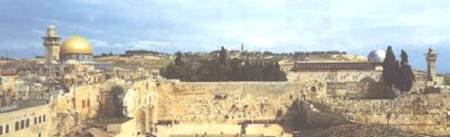
Have mercy, Lord our God, upon us, and on Israel, Your people, on Jerusalem Your city, on Zion the abode of Your glory, and on Your sanctuary, and on Your abode, and on Your palace and on the great and holy house upon which Your Name is called. Our Father, feed us, sustain us, nourish us and give us comfort; and speedily, Lord our God, grant us relief from all our afflictions. Lord, our God, please do not make us dependent upon the gifts of mortal men nor upon their loans, but only upon Your full, open, holy and generous hand. May it be your will that we not be shamed in this world, or humiliated in the World to Come. And may the monarchy of the hhouse of David, Your annointed, be restored to its place speedily in our days.
On Shabbat add: [May it please You, Lord, our God, give us rest through Your commandments and through the commandment of the seventh day, this great and holy Shabbat. For it is a great and holy day before You. We shall rest on it and we shall be content on it and we shall delight in it as ordained by the commandments of Your will. May there be no distress, or grief on our day of contentment. And show us the consolation of Zion, speedily in our days, for You are the Master of consolations. And although we ate and we drank, we have not forgotten the destruction of Your great and Holy House. Do not forget us forever, and do not leave us go everlastingly, for You are God, the great and holy King.]
 Our God and God
of our fathers, may there rise, come, reach, be noted, be favored, be heard, be
considered, and remembered before You - the remembrance of ourselves, the
remem- brance of our fathers; the remembrance of Jerusalem, Your city; the
remembrance of Messiah, son of David, Your servant; and the remembrance of Your
entire people, the House of Israel - for deliverance, for well-being, for
grace, for lovingkindness and for mercy, for good life and for peace on this
day of the F estival of Matzot, on this festival day of holy convocation, to
have mercy on us and to save us. Remember us on it, HASHEM, our God, for
goodness, consider us on it for blessing, and help us on it for good life.
Concerning salvation and mercy, have pity, show grace to us and be
compassionate and merciful upon us and save us. For our eyes are turned to You;
for You are the Almighty, gracious, and generous King.
Our God and God
of our fathers, may there rise, come, reach, be noted, be favored, be heard, be
considered, and remembered before You - the remembrance of ourselves, the
remem- brance of our fathers; the remembrance of Jerusalem, Your city; the
remembrance of Messiah, son of David, Your servant; and the remembrance of Your
entire people, the House of Israel - for deliverance, for well-being, for
grace, for lovingkindness and for mercy, for good life and for peace on this
day of the F estival of Matzot, on this festival day of holy convocation, to
have mercy on us and to save us. Remember us on it, HASHEM, our God, for
goodness, consider us on it for blessing, and help us on it for good life.
Concerning salvation and mercy, have pity, show grace to us and be
compassionate and merciful upon us and save us. For our eyes are turned to You;
for You are the Almighty, gracious, and generous King.
Rebuild Jerusalem, the Holy City, soon in our days. Blessed are You, Lord, Who rebuilds (in His mercy) Jerusalem. (Quietly - Amen.)
Blessed are You, Lord, our God, King of the universe, the Almighty, our Father, our King, our Sovereign, our Creator, our Redeemer, our Holy One, Holy One of Jacob our Shepherd, the Shepherd of Israel, the King Who is good and Who does good to all. For every single day He did good to us, does good to us, and will do good to us. He was bountiful with us, is bountiful with us, and will forever be bountiful with us - with grace and with lovingkindness, with mercy, with relief, with salvation, and with all good.
The compassionate One! May He be praised over His Throne of Glory. The compassionate One! May He be blessed on heaven and on earth. The compassionate One! May He be praised through us for all generations. The compassionate One! May He exalt the pride of His nation. The compassionate One! May He be glorified through us to the ultimate ends. The compassionate One! May He sustain us in honor and without humiliation, (honestly and not in a forbidden fashion), pleasurably and not in pain. The compassionate One! May He bring peace among us. The compassionate One! May He send blessing, abundance, success, in all that we do. The compassionate One! May He make all our endeavors successful. The compassionate One! May He quickly break the yoke of exile from our necks. The compassionate One! May He guide us erect to our land. The compassionate One! May He completely heal us, a physical healing and a spiritual healing. The compassionate One! May He open for us His generous Hand. The compassionate One! May he bless everyone of us with His great Name just as our forefathers Abraham, Isaac, and Jacob were blessed in every- thing from everything, with everything. So may He bless us all together, a perfect blessing. And may this be His will. And let us say: Amen! The compassionate One! May He spread over us the shelter of His peace. (On Shabbat add: The Compassionate One! May He inherit the world which will be completely Shabbat and rest day for eternal life.)
The compassionate One! May He let us inherit that day which is altogether good.
The compassionate One! May He implant in our hearts His Torah and love of Him, and may His awe be on faces so that we do not sin, and may all our deeds be for the sake of Heaven.
A Guest Adds:
The Compassionate One! May He bless the owner of this house, and the master of this meal – he, his children, and his wife, and all that is his – with children who thrive, and with belongings that increase. Bless, O Lord, his resources, and favor the work of his hands. And may his dealings and ours be successful and close to the city, and may no semblance of sin or iniquitous thought attach itself to him or to us. May he be joyful and happy in wealth and honor from this time and forever. May he not be ashamed in this world nor humliated in the World to Come. Amen. May this be His will.
The leader says:
The compassionate One! May he sustain us and make us worthy and bring us close to the days of Messiah and to the building of the Holy Temple and to the life of the World to Come. He Who is a tower of salvations to His king and does lovingkindness to his anointed, to David and his descendants forever. Young lions may feel want and hunger, but those who seek Hashem will not lack any good. I was a youth and also have aged, and I have not seen a righteous man forsaken, with his children begging for bread.
All the day he is gracious and lends, and his children are a blessing.4 May what we have eaten be satiating, and what we have drank be for healing, and what we have left over be for a blessing, as it is written: "He placed it before them, and they ate and they left over, as the Word of Hashem."5 You are blessed of the Lord, Maker of heaven and earth. Blessed is the man who trusts in the Lord and the Lord will be his trust. The Lord will give might to His nation, the Lord will bless His nation with peace.
He Who makes peace in His heights, may He make peace upon us, and upon all Israel. Now respond: Amen.
Have in mind that the following blessing apply to the third and the fourth cups of wine.
The leader says:
I will raise the cup of salvations, and I shall invoke the Name of HaShem.
By your leave, my masters and teachers סַבְרִי מָרָנָן:
|
|

L’Chaim! - To Life!
Blessed are You, HaShem our God, King of the Universe, who creates the fruit of the vine.
בָּרוּךְ אַתָּה יהוה אֱלֹהֵינוּ מֶלֶךְ הָעוֹלָם בּוֹרֵא פְּרִי הַגָפֶן.
Recline to the left and drink the third cup:
It is forbidden to drink anything between the third and fourth cups of the Passover seder.
|
|
Pour the Cup of Elijah (not one of the four Cups of the covenant, not taken by participants)
The fourth cup is filled................ |
|
.........the Cup of Completion. |

As God covenanted: “I will take you as my own people, and I will be your God.”
Pour Your wrath upon the nations that do not recognize You and upon kingdoms that do not invoke Your Name. For they have devoured Jacob and destroyed His habitation.
Elijah, the prophet from the village of Tishbi, in Gilead, challenged the injustice of the king and overthrew the worship of Baal. He healed the sick and helped the widowed. As to the end of his days on earth, his disciple, Elisha, saw Elijah being carried to the skies, in a whirlwind. The Haggadah opens with the words: “Let all who are hungry come and eat.”
Among the awaited guests is the prophet Elijah who, according to the scripture, never died, but was carried up to heaven in a whirlwind. The life of no other character in the bible is so surrounded with a halo of mystery and wonder as is that of Elijah. He is the champion of the oppressed, he brings hope, cheer and relief to the downtrodden; and he performs miracles of rescue and deliverance. The Prophet Malachi says of him: “He will turn the hearts of parents to their children, and the hearts of children to their parents.” Elijah is the harbinger of good tidings of joy and peace. His name is especially associated with the coming of the Messiah, whose advent he is expected to announce. Let us open the door and rise, in the hope that Elijah will enter.
Check for Elijah and leave the door open.
A part of the Passover seder has always been to set a place for Elijah and to open a door to look for him during the feast. We look for Elijah just before we take the fourth cup to symbolize that Elijah is expected just before God comes to take His people for Himself.
The door is closed...
Hallel הלל Psalms of Praise
It is preferable to hold the cup during hallel
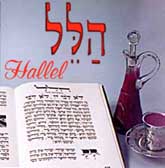 Psalm 115 - Not for our sake, HaShem,
not for our sake, but for Your Name’s sake give glory, for Your kindness and
for Your truth! Why should the nations say, “Where is their God now?” Our God
is in the heavens; whatever He pleases, He does! Their idols are silver and
gold, the handiwork of man. They have a mouth, but cannot speak; they have
eyes, but cannot see. They have ears, but cannot hear; they have a nose but
cannot smell. Their hands, they cannot feel; their feet, they cannot walk; they
cannot utter a sound from their throat. Those who make them should become like
them, whoever trusts in them! O Israel, trust in HaShem; their help and their
shield is He! You who fear HaShem, trust in HaShem; their help and their shield
is He!
Psalm 115 - Not for our sake, HaShem,
not for our sake, but for Your Name’s sake give glory, for Your kindness and
for Your truth! Why should the nations say, “Where is their God now?” Our God
is in the heavens; whatever He pleases, He does! Their idols are silver and
gold, the handiwork of man. They have a mouth, but cannot speak; they have
eyes, but cannot see. They have ears, but cannot hear; they have a nose but
cannot smell. Their hands, they cannot feel; their feet, they cannot walk; they
cannot utter a sound from their throat. Those who make them should become like
them, whoever trusts in them! O Israel, trust in HaShem; their help and their
shield is He! You who fear HaShem, trust in HaShem; their help and their shield
is He!
HaShem Who has remembered us will bless, He will bless the House of Israel; He will bless the House of Aaron; He will bless those who fear HaShem, the small as well as the great. May HaShem increase upon you, upon you and your children! You are blessed of HaShem, maker of heaven and earth. As for the heavens, the heavens are HaShem's, but the earth He has given to mankind. Neither the dead can praise God, nor any who descend into silence; but we will bless God from this time and forever. Halleluyah! Psalm 115
Psalm 116 - I love Him, for HaShem hears my voice, my supplications. As He has inclined His ear to me, so in my days shall I call. The pains of death encircle me; the confines of the grave have found me; trouble and sorrow I would find. Then I would invoke the name of HaShem: “Please HaShem, save my soul.” Gracious is HaShem and righteous, our God is merciful. HaShem protects the simple; I was brought low, but He saved me. Return, my soul, to your rest; for HaShem has been kind to you. For You have delivered my soul from death, my eyes from tears, and my feet from stumbling. I shall walk before HaShem in the lands of the living. I have kept faith although I say: “I suffer exceedingly.” I said in my haste: “All mankind is deceitful.”
How can I repay HaShem for all His kindness to me? I will raise the cup of salvation and the name of HaShem I will invoke. My vows to HaShem I will pay, in the presence, now of His entire people. Difficult in the eyes of HaShem is the death of His devout ones. Please, HaShem, for I am Your servant, I am Your servant, son of Your handmaid, You have released my bonds. To You I will sacrifice thanksgiving offerings, and the name of HaShem I will invoke. My vows to HaShem I will pay, in the presence, now, of His entire people. In the courtyards of the House of HaShem, in your midst, O Jerusalem, Halleluyah! Psalm 116
Psalm 117 - Praise HaShem, all nations; praise Him, all the states! For His kindness has overwhelmed us, and the truth of HaShem is eternal, Halleluyah! Psalm 117
Psalm 118 - Give thanks to HaShem for He is good; His kindness endures forever! Let Israel say: His kindness endures forever! Let the House of Aaron say: His kindness endures forever!
From the straits did I call upon God; He answered me in the broad places of HaShem. HaShem is with me, I have no fear; how can man affect me? HaShem is with me through my helpers; therefore I can face my foes. It is better to take refuge in HaShem than to rely on nobles. All the nations surround me; in the Name of HaShem I cut them down! They encircle me, they also surround me; in the Name of HaShem I cut them down. They encircle me like bees, but they are extinguished as a fire on thorns; in the Name of HaShem I cut them down! You pushed me constantly that I might fall, but HaShem assisted me. God is my might and my praise, and He will be a salvation for me. The sound of rejoicing and salvation is in the tents of the righteous: “HaShem’s right hand does valiantly. HaShem’s right hand is raised triumphantly; HaShem’s right hand does valiantly!” I shall not die! But I shall live and relate the deeds of God. God has chastened me exceedingly, but He did not let me die. Open for me the gates of righteousness, I will enter them and thank God. This is the gate of HaShem; the righteous shall enter through it. I thank You for You have answered me and become my salvation. I thank You for You have answered me and become my salvation. The stone the builders despised has become the cornerstone. The stone from HaShem; it is wondrous in our eyes. This emanated from HaShem; it is wondrous in our eyes. This is the day HaShem has made; let us rejoice and be glad on it. This is the day HaShem has made; let us rejoice and be glad on it.
|
Please, HaShem, save now! |
אָנָא יהוה, הוֹשִיעָה נָּא. |
|
Please, HaShem, save now! |
אָנָא יהוה, הוֹשִיעָה נָּא. |
|
Please, HaShem, bring success now! |
אָנָא יהוה, הַצְלִיחָה נָא. |
|
Please, HaShem, bring success now! |
אָנָא יהוה, הַצְלִיחָה נָא. |
Blessed is he who comes in the Name of HaShem; we bless you from the House of HaShem. Blessed is he who comes in the Name of HaShem; we bless you from the House of HaShem. HaShem is God, He illuminated for us; bind the festival offering with cords until the corners of the Altar. HaShem is God, He illuminated for us; bind the festival offering with cords until the corners of the Altar. You are my God, and I will thank You; my God, I will exalt You. Give thanks to HaShem, for He is good; His kindness endures forever. Give thanks to HaShem, for He is good; His kindness endures forever. Psalm 118
Lord, our God, all Your works shall praise You; Your pious ones, the righteous who do Your will, and all Your people, the House of Israel, with joyous song will thank and bless, laud and glorify, exalt and adore, sanctify and proclaim the sovereignty of Your Name, our King. For it is good to thank You, and befitting to sing to Your Name, for from the beginning to the end of the world You are Almighty God. Give thanks to the Lord, for He is good for His kindness is everlasting;
Give thanks to the God of gods for His kindness is everlasting;
Give thanks to the Lord of lords for His kindness is everlasting;
Who alone does great wonders for His kindness is everlasting;
Who made the heavens with understanding for His kindness is everlasting;
Who stretched out the earth above the waters for His kindness is everlasting;
Who made the great lights for His kindness is everlasting;
The sun, to rule by day for His kindness is everlasting;
The moon and stars, to rule by night for His kindness is everlasting;
Who struck Egypt through their first-born for His kindness is everlasting; (yod)
And brought Israel out of their midst for His kindness is everlasting;
With a strong hand and with an outstretched arm for His kindness is everlasting;
Who split the Sea of Reeds into sections for His kindness is everlasting;
And led Israel through it for His kindness is everlasting;
And cast Pharaoh and his army into the Sea of Reeds for His kindness is everlasting; (hai)
Who led His people through the desert for His kindness is everlasting; Who struck great kings for His kindness is everlasting;
And slew mighty kings for His kindness is everlasting; Sichon, king of the Amorites for His kindness is everlasting;
And Og, king of Bashan for His kindness is everlasting; And gave their land as a heritage for His kindness is everlasting; (vav)
A heritage to Israel, His servant for His kindness is everlasting;
Who remembered us in our lowliness for His kindness is everlasting;
And delivered us from our oppressors for His kindness is everlasting; Who gives food to all flesh for His kindness is everlasting;
Thank the God of heaven for His kindness is everlasting. (hai)
The soul of every living being shall bless Your Name, Lord, our God; and the spirit of all flesh shall always glorify and exalt Your remembrance, our King. From the beginning to the end of the world You are Almighty God; and other than You we have no King, Redeemer and Savior who delivers, rescues, sustains, answers and is merciful in every time of trouble and distress; we have no King but You. [You are] the God of the first and of the last [generations], God of all creatures, Lord of all events, who is extolled with manifold praises, who directs His world with kindness and His creatures with compassion. Behold, the Lord neither slumbers nor sleeps. He arouses the sleepers and awakens the slumberous, gives speech to the mute, releases the bound, supports the falling and raises up those who are bowed. To You alone we give thanks. Even if our mouths were filled with song as the sea, and our tongues with joyous singing like the multitudes of its waves, and our lips with praise like the expanse of the sky; and our eyes shining like the sun and the moon, and our hands spread out like the eagles of heaven, and our feet swift like deer we would still be unable to thank You Lord, our God and God of our fathers, and to bless Your Name, for even one of the thousands of millions, and myriads of myriads, of favors, miracles and wonders which You have done for us and for our fathers before us. Lord, our God. You have redeemed us from Egypt, You have freed us from the house of bondage, You have fed us in famine and nourished us in plenty; You have saved us from the sword and delivered us from pestilence, and raised us from evil and lasting maladies. Until now Your mercies have helped us, and Your kindnesses have not forsaken us; and do not abandon us, Lord our God, forever! Therefore, the limbs which You have arranged within us, and the spirit and soul which You have breathed into our nostrils, and the tongue which You have placed in our mouth they all shall thank, bless, praise , glorify, exalt, adore, sanctify and proclaim the sovereignty of Your Name, our King. For every mouth shall offer thanks to You, every tongue shall swear by You, every eye shall look to You, every knee shall bend to You, all who stand erect shall, l bow down before You, all hearts shall fear You, and every innermost part shall sing praise to Your Name, as it is written: "All my bones will say, Lord, who is like You; You save the poor from one stronger than he, the poor and the needy from one who would rob him!" Who can be likened to You, who is equal to You, who can be compared to You, the great, mighty, awesome God, God most high, Possessor of heaven and earth! We will laud You, praise You and glorify You, and we will bless Your holy Name e, as it is said: "[A Psalm] by David; bless the Lord, O my soul, and all that is within me [bless] His holy Name."
You are the Almighty God in the power of Your strength; the Great in the glory of Your Name; the Mighty forever, and the Awesome in Your awesome deeds; the King who sits upon a lofty and exalted throne.
He who dwells for eternity, lofty and holy is His Name. And it is written: "Sing joyously to the Lord, you righteous; it befits the upright to offer praise." By the mouth of the upright You are exalted; by the lips of the righteous You are blessed; by the tongue of the pious You are sanctified; and among the holy ones You are praised.
In the assemblies of the myriads of Your people, the House of Israel, Your Name, our King, shall be glorified with song in every generation. For such is the obligation of all creatures before You, Lord, our God and God of our fathers, to thank, to laud, to praise, to glorify, to exalt, to adore, to bless, to elevate and to honor You, even beyond all the words of songs and praises of David son of Yishai, Your anointed servant.
And therefore may Your Name be praised forever, our King, the great and holy God and King in heaven and on earth. For to You, Lord, our God and God of our fathers, forever befits song and praise, laud and hymn, strength and dominion, victory, greatness and might, glory, splendor, holiness and sovereignty; blessings and thanksgivings to Your great and holy Name; from the beginning to the end of the world You are Almighty God. Blessed are You, Lord, Almighty God, King, great and extolled in praises, God of thanksgivings, Lord of wonders, Creator of all souls, Master of all creatures, who takes pleasure in songs of praise; the only King, the Life of all worlds.
|
|
Recline to the left and drink the fourth cup: |

Blessed are You, HaShem our God, King of the universe for the vine and the fruit of the vine, for the produce of the field, and for the precious, good and spacious land which You have favored to give as an heritage to our fathers, to eat of its fruit and be satiated by its goodness. Have mercy, HaShem our God, on Israel Your people, on Jerusalem Your city, on Zion the abode of Your glory, on Your altar and on Your Temple. Rebuild Jerusalem, the holy city, speedily in our days, and bring us up into it, and make us rejoice in it, and we will bless You in holiness and purity. On Shabbat add: May it please You to strengthen us on this Shabbat day. and may You bring us joy on this day of the Festival of Matzot, on this festival day of convocation. For You, HaShem, are good and do good to all, and we thank You for the land and for the fruit of the vine. Blessed are You, HaShem, for the land and for the fruit of the vine.
Nirtzah נרצה Our Observance is Accepted
Our seder is now completed in accordance with its halacha, in accordance with all its laws and statutes. As we have carried out the Pesach observance [of this seder], so may we merit to fulfill the Pesach requirements [in their entirety] in the future. Pure and Holy One, dwelling on high, Raise up Your people with love And lead us to Zion in joyful song.
Shir HaShirim is recited at this point.
לְשָׁנָה הַבָּאָה בִּירוּשַׁלָיִם.
Next Year In Jerusalem!
It Came to Pass at Midnight
Of old, You performed many miracles by night. At the beginning of the first watch of this night.
To the righteous convert (Abraham) You gave victory when there was divided for him the night.
It came to pass at midnight.
You judged the king of Gerar (Abimelech with death) in a dream by night.
You frightened the Aramean (Laban) in the dark of night.
Israel (Jacob) fought with an angel and overcame him by night.
It came to pass at midnight.
The first-born children of the Egyptians You crushed at midnight.
They did not find their host when they arose at night.
You swept away the army of the prince of Charoshes (Sisera) with the stars of night.
It came to pass at midnight.
The blasphemer (Senacherib) had planned to raise his hand against Jerusalem; You laid low his dead by night.
The idol Bel was overthrown, with its pedestal, in the darkness of the night.
To Daniel, in whom You delighted, the secret vision was revealed at night.
It came to pass at midnight.
He who caroused from the holy vessels (Belshazzar) was slain on that same night.
From the lions' den was rescued he who interpreted the meaning of the terrors of the night.
Haman bore hatred in his heart and wrote proscriptions at night.
It came to pass at midnight.
You began Your triumph over him when You disturbed the sleep of his king at night.
You will tread the wine-press to help those who ask the watchman, 'Ah, when will there be an end to the long night?'
He will exclaim, like a watchman and say" 'Morning will come after this night.'
It came to pass at midnight.
Bring near the day (with the coming of Mashiach), that is neither day nor night.
Show, Most High, that Yours is the day as well as the night.
Appoint watchmen to Your city (Jerusalem) by day and by night.
Illumine as with the light of day, the darkness of the night.
It came to pass at midnight.
The following is said on the second night of Pesach. On the first night, skip the next passage.
This is the Feast of Passover
You displayed wondrously Your mighty powers on Passover.
Above all festivals You elevated Passover.
To the Oriental (Abraham) You revealed the future midnight of Passover.
And you shall say: This is the feast of Passover;
At his door You knocked in the heat of the day on Passover.
He satiated the angels with matza-cakes on Passover.
And he ran to the herd, symbolic of the sacrificial beast of Passover.
And you shall say: This is the feast of Passover;
The Sodomites provoked (God) and were destroyed by fire on Passover.
Lot was withdrawn from them, he had baked matzot at the time of Passover.
You swept clean the soil of Moph and Noph (Egypt) when You passed through on Passover.
And you shall say: This is the feast of Passover;
God, You crushed every firstborn of On (In Egypt) on the watchful night of Passover.
But Master, Your own firstborn, You skipped by merit of the blood of Passover.
Not to allow the Destroyer to enter my doors on Passover.
And you shall say: This is the feast of Passover;
The beleaguered (Jericho) was besieged on Passover.
Midian was destroyed with a barley cake from the Omer of Passover.
The princes of Pul and Lud (Assyria) were consumed in a great conflagration on Passover.
And you shall say: This is the feast of Passover;
He (Senacherib) would have stood that day at Nob, but for the advent of Passover.
A hand inscribed the destruction of Zul (Babylon) on Passover.
As the watch was set, and the royal table decked on Passover.
And you shall say: This is the feast of Passover;
Hadassah (Esther) gathered her people for a three day fast on Passover.
You caused the head of the evil clan (Haman)
to be hanged on a fifty-cubit gallows on Passover.
Doubly, will You bring in an instant upon Utsis (Edom) on Passover.
Let Your hand be strong, and Your right arm exalted as on the night when You
hallowed the festival of Passover.
And you shall say: This is the feast of Passover.
To Him praise is due! To Him praise is fitting!
Counting the omer
On the second night of Passover, recite the following blessing and then the count:
Blessed are You, O Lord, our God, King of the universe, Who has sanctified us by His commandments and commanded us to count the omer. Today is one day of the Omer. May the All-merciful ‘One restore the worship of the Holy Temple in its place, speedily in our days.
Who knows one? I know one. One is our God in heaven and in earth.
Who knows two? I know two. Two are the stone tablets of the law, one is ...
Who knows three? I know three. Three are the patriarchs, two are ...
Who knows four? I know four. Four are the mothers of Israel, three are ...
Who knows five? I know five. Five are the books of Torah, four are ...
Who knows six? I know six. Six are the books of the Mishnah, five are ...
Who knows seven? I know seven. Seven are the days of the week, six are ...
Who knows eight? I know eight. Eight are the days of Chanukah, seven are ...
Who knows nine? I know nine. Nine are the months of childbearing, eight are ...
Who knows ten? I know ten. Ten are the commandments given at Sinai, nine ...
Who knows eleven? I know eleven. Eleven are the stars in Joseph’s dream, ten are ...
Who knows twelve? I know twelve. Twelve are the tribes of Israel, eleven are ...
Who knows thirteen? I know thirteen. Thirteen are the attributes of God, twelve are ...
one is our God in heaven and earth!
Three - Abraham, Isaac, and Jacob.
Four - Rachel, Leah, Bilhah, and Zilpah.
Five - Genesis, Exodus, Leviticus, Numbers, and Deuteronomy.
Six - Seeds, Appointments, Women, Moral laws, civil laws, and Purity.
Ten - See Exodus 20.
Twelve - see Genesis 25:23-26
Thirteen - Eternal, merciful to grant resistance to temptations, merciful to preserve
the righteous, merciful in lessening temptation, compassionate, slow to anger,
abundant in kindness, truth - fulfills promises, preserver of kindness for
thousands of generations, forgiver of iniquity(due to lust or desire), forgiver of transgression(defying God), forgiver of sin (unintentional), He who erases and does not erase(penitent / impenitent) - Exodus 34:6-7
A Kid, A Kid...
A kid, a kid, that father bought for two zuzim, A kid, a kid.
A cat then came and devoured the kid, that father bought for two zuzim, a kid, a kid.
A dog then came and bit the cat, that devoured the kid, that father bought for two zuzim, a kid, a kid.
A stick then came and beat the dog, that bit the cat that devoured the kid, that father bought for two zuzim, a kid, a kid.
A fire then came and burnt the stick, that beat the dog, that bit the cat that devoured the kid, that father bought for two zuzim, a kid, a kid.
Water then came and quenched the fire, that burnt the stick, that beat the dog, that bit the cat that devoured the kid, that father bought for two zuzim, a kid, a kid.
An ox then came and drank the water, that quenched the fire, that burnt the stick, that beat the dog, that bit the cat that devoured the kid, that father bought for two zuzim, a kid, a kid.
A slaughterer then came and slaughtered the ox, that drank the water, that quenched the fire, that burnt the stick, that beat the dog, that bit the cat that devoured the kid, that father bought for two zuzim, a kid, a kid.
The angel of death then came and killed the slaughterer, who slaughtered the ox, that drank the water, that quenched the fire, that burnt the stick, that beat the dog, that bit the cat that devoured the kid, that father bought for two zuzim, a kid, a kid.
The Holy One, Blessed is He, then came and slew the angel of death, who killed the slaughterer, who slaughtered the ox, that drank the water, that quenched the fire, that burnt the stick, that beat the dog, that bit the cat that devoured the kid, that father bought for two zuzim, a kid, a kid.